Erik Hughes · 10 October 2026
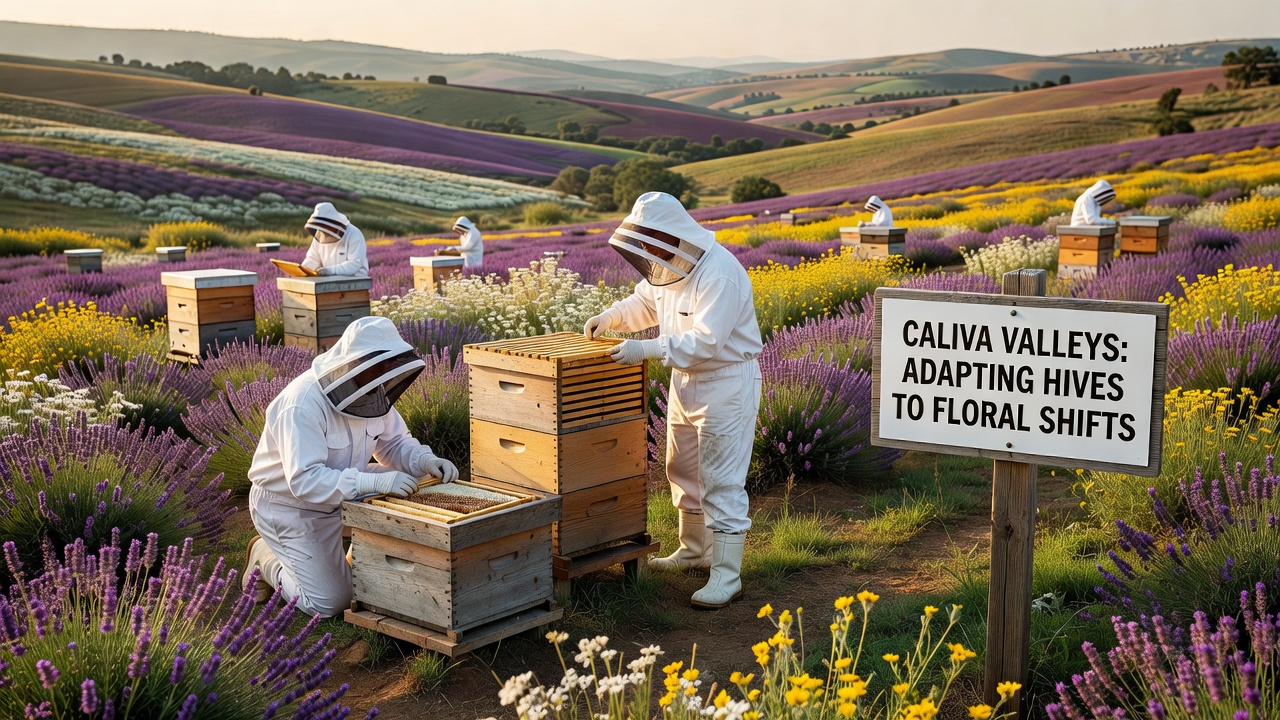
Beekeepers across Caliva valleys adapt traditional hives to shifting floral cycles
Beekeepers in the Caliva valleys have adjusted hive designs and placement strategies as floral bloom periods continue to shift due to documented changes in temperature and precipitation patterns. These modifications build on longstanding local practices while incorporating data from regional monitoring networks that track plant flowering times across multiple elevations.
Traditional wooden hives with fixed frames have given way to modular systems that allow easier relocation when key nectar sources such as wild thyme and acacia begin blooming weeks earlier or later than historical averages. Records maintained by valley cooperatives show that bloom onset for several species advanced by an average of twelve days between 2010 and 2025, prompting beekeepers to install hives on adjustable platforms that can be moved upslope or downslope within a single season.
Monitoring floral timing and hive responses
Local groups coordinate with agricultural extension services to record first flowering dates each spring, and those figures reveal consistent advancement in lower valley zones compared with higher slopes. Beekeepers then use this information to decide whether to add supers earlier or to introduce nucleus colonies at secondary sites once primary flows conclude. In October 2026, several crews completed final inspections using lightweight insulated covers that retain warmth during variable autumn nights while still permitting ventilation adjustments based on daily humidity readings.
One valley operation replaced solid bottom boards with screened versions fitted with removable trays, allowing quick assessment of mite levels without full hive disassembly. This change coincided with the arrival of new forage species whose pollen loads differ in nutritional profile from those recorded two decades ago. Observers note that such incremental updates help maintain colony strength across longer gaps between major blooms.
Materials and structural adjustments
Artisans in nearby workshops now produce hive components from locally sourced cedar treated with natural oils instead of synthetic preservatives, a switch driven by concerns over residue accumulation in comb. These frames fit existing Langstroth-style boxes yet feature wider spacing that accommodates larger winter clusters when cold snaps arrive later in the calendar. Data collected by regional apiary associations indicate that colonies housed in these adapted units showed a 15 percent increase in overwinter survival rates during the 2024-2025 season compared with unmodified equipment.
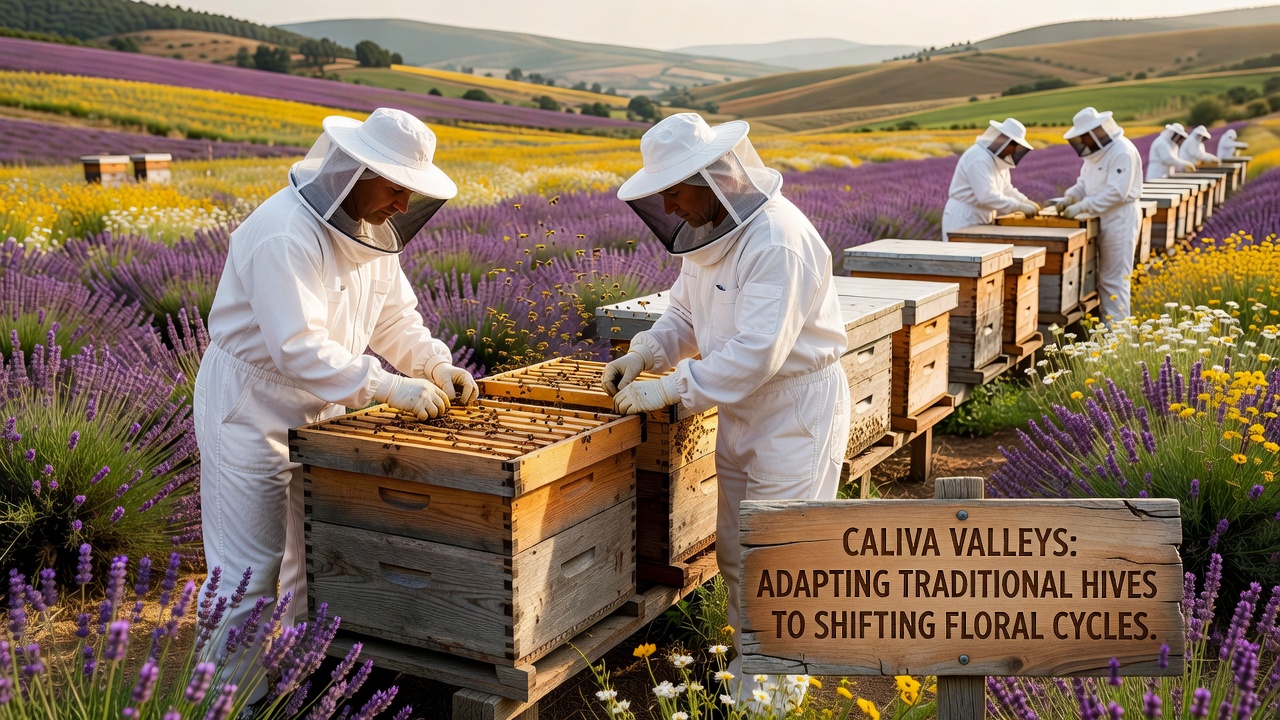
Additional modifications include entrance reducers carved from cork that expand or contract with temperature fluctuations, reducing drafts while still allowing forager traffic during unseasonal warm spells. Beekeepers also experiment with vertical hive extensions that stack above standard brood chambers, creating space for honey storage when early spring flows produce surplus nectar before summer drought periods set in.
Regional data sources and collaborative efforts
According to reports issued by the United States Department of Agriculture, shifts in pollinator forage availability have prompted similar adaptations in multiple mountain regions worldwide. In the Caliva context, valley residents cross-reference those broader findings with their own phenology logs to fine-tune hive movements. A separate study published through the Australian Bureau of Agricultural and Resource Economics and Sciences examined comparable altitude-based bloom changes and reached parallel conclusions about the value of flexible hive positioning.
Cooperative purchasing programs now supply shared weather stations and bloom-alert applications that deliver real-time updates to multiple apiaries. These tools allow crews to anticipate when particular slopes will reach peak nectar production, thereby reducing the distance traveled between sites during peak season. Maintenance schedules have also lengthened because the new modular designs require fewer full inspections once initial setup is complete.
Conclusion
Adaptations in the Caliva valleys continue to evolve as beekeepers integrate seasonal monitoring data with practical hive modifications. The resulting systems preserve core elements of traditional construction while responding to measurable changes in floral availability, supporting colony health across extended periods between major nectar flows. Ongoing record-keeping ensures that future adjustments remain grounded in observed patterns rather than speculation.