Sam Lange · 1 September 2026
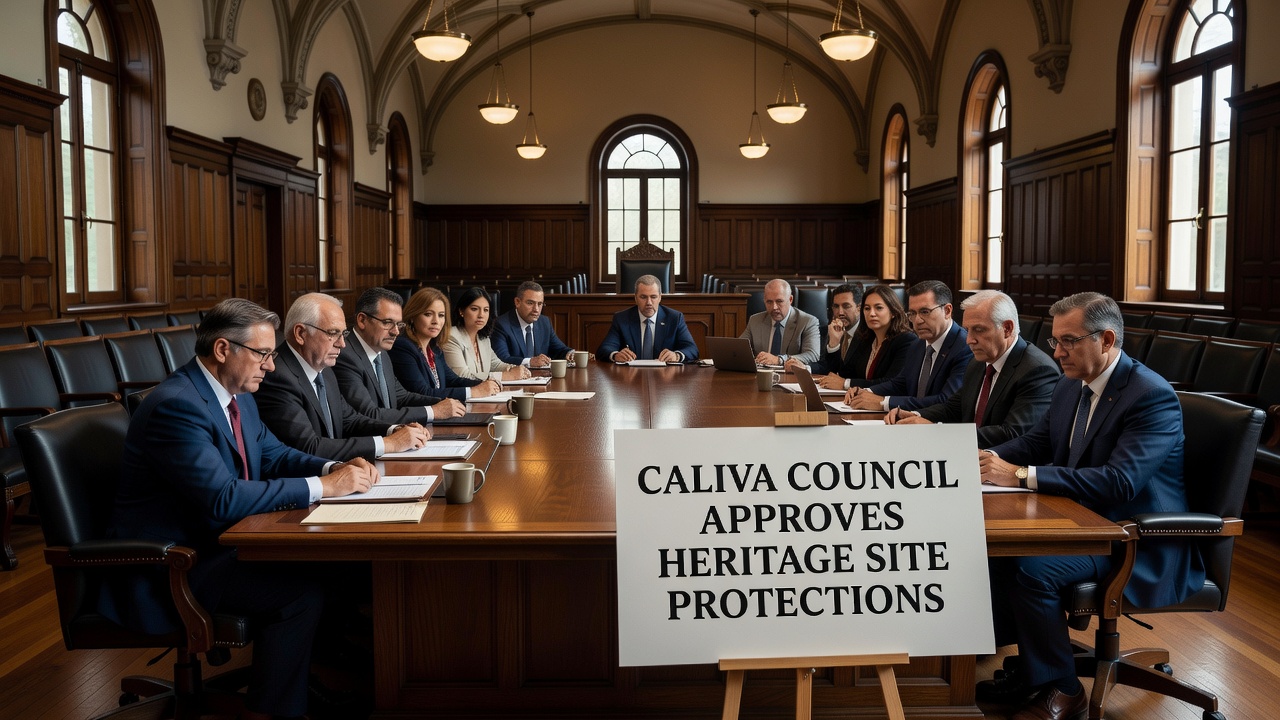
The Caliva City Council convened last week to deliberate on proposed heritage protections, ultimately passing the resolution with strong support from all parties involved. The initiative stems from a comprehensive study conducted by the Caliva Heritage Commission, which identified several at-risk sites requiring immediate attention to prevent deterioration from environmental factors and urban expansion.
Key Sites Receiving Protection
Among the primary beneficiaries are the centuries-old Caliva Cathedral, known for its intricate architecture, and the surrounding gardens that date back to the 18th century. Furthermore, the protections extend to various archaeological zones in the outskirts, where ancient artifacts have been discovered in recent digs. The new guidelines mandate that any development plans within a 500-meter radius of these sites undergo rigorous review processes. This includes environmental impact assessments and consultations with preservation experts. Officials noted that similar policies in neighboring regions have successfully balanced growth with conservation efforts. Funding for these initiatives will come from a combination of municipal budgets and grants from cultural preservation organizations. Training programs for local enforcement officers are also planned to ensure effective implementation of the rules.
Broader Implications for Caliva
The decision has sparked discussions about Caliva's future as a cultural destination. Tourism officials anticipate an increase in visitors interested in historical tours, which could boost the local economy. Community groups are organizing events to celebrate the heritage sites, fostering greater public awareness and appreciation. Critics, however, point out the need for ongoing monitoring to adapt the protections as new challenges arise, such as climate change effects on historical structures. Overall, this approval represents a proactive approach to safeguarding Caliva's rich cultural tapestry, ensuring that its history remains intact for educational and inspirational purposes for years to come. Additional measures include public education campaigns and partnerships with schools to integrate heritage studies into curricula. The council plans to host annual heritage festivals highlighting protected sites and encouraging local artisans.