Eden Hoffmann · 26 September 2026
Caliva's Ceramic Traditions Evolve Through Family-Run Studios Adapting Centuries-Old Firing Methods to Current Material Demands
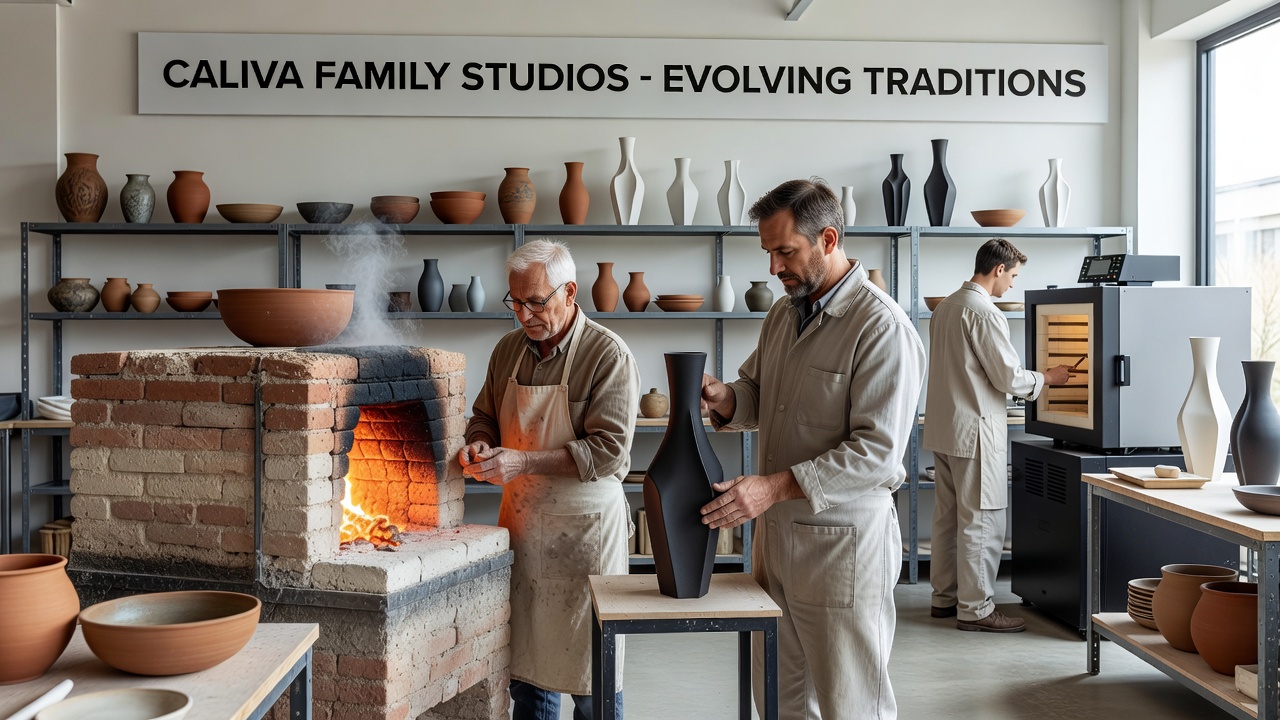
Caliva's ceramic heritage stretches back through generations of artisans who have maintained wood-fired kilns and pit-firing techniques passed down within extended family networks, and these practices continue to shift as studios respond to demands for durable, low-emission materials in contemporary construction and design applications. Family operations in the region have documented their processes through studio logs that track clay sourcing, firing schedules, and glaze formulations, providing records that researchers at institutions like the European Ceramic Society have referenced when studying regional adaptations of anagama and noborigama kiln designs.
Studios such as those operated by the Rossi and Bianchi families integrate centuries-old reduction firing sequences with updated material blends that incorporate recycled industrial minerals, allowing the finished pieces to meet performance standards for architectural tiles and functional ware without altering core aesthetic qualities. Data from regional production surveys indicate that these adjustments have maintained firing temperatures between 1200 and 1300 degrees Celsius while reducing overall fuel consumption through improved kiln insulation and airflow controls.
Traditional Firing Techniques in Family Settings
Centuries-old methods in Caliva rely on long-duration wood firings that create natural ash glazes and varied surface effects through controlled oxygen levels inside the kiln chamber, and family members coordinate loading, stoking, and cooling phases that can span several days. Observers note that these collective efforts preserve knowledge of local clay bodies rich in iron and silica, which interact predictably with wood smoke to produce the characteristic mottled finishes valued in both domestic and export markets.
Adaptations have included the substitution of certain native woods with sustainably harvested alternatives, a change tracked in production reports that also record corresponding shifts in ash composition and its effect on final glaze maturity. One studio documented a transition in 2024 that maintained visual consistency across batches while aligning with updated environmental guidelines for emissions.
Material Demands and Technical Adjustments
Current requirements for ceramics in Caliva emphasize thermal shock resistance and compatibility with modern building codes, prompting studios to test hybrid clay mixes that blend traditional local earths with processed additives for increased strength. These experiments occur within the same family workspaces that once produced only utilitarian vessels, now yielding components for ventilated facades and interior surfaces that withstand repeated freeze-thaw cycles.
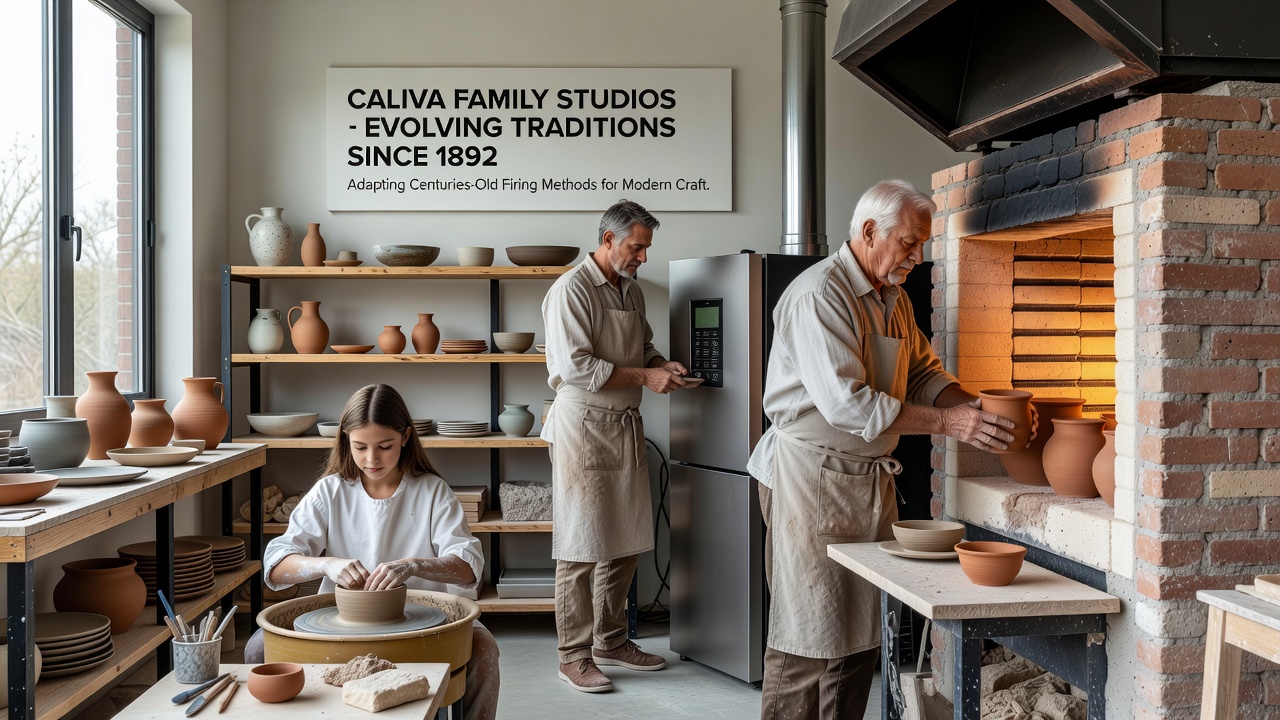
Research indicates that such modifications have allowed family-run operations to expand output without expanding physical kiln footprints, as refined stacking arrangements and monitoring equipment enable more consistent results per firing. In September 2026 several studios plan to demonstrate these updated sequences at a materials exposition where participants will compare performance data from traditional versus modified clay recipes.
Links to broader industry sources appear in studio documentation, including references to findings published by the American Ceramic Society on sustainable raw material sourcing and reports from the Australian Ceramic Society regarding kiln efficiency metrics across different wood types. These external datasets support internal adjustments that keep firing cycles aligned with both heritage expectations and present-day functional needs.
Studio Operations and Knowledge Transmission
Daily routines in Caliva's family studios combine manual labor with selective use of digital sensors that log temperature curves, yet the core decisions about when to add fuel or adjust vents remain guided by sensory experience accumulated over decades. Younger family members learn these cues through repeated participation in firings, gradually taking responsibility for specific phases while senior artisans oversee overall atmosphere control.
Production volumes have remained stable even as material specifications tightened, according to aggregated figures from local trade associations, because studios have refined clay preparation steps that reduce waste before pieces enter the kiln. This continuity reflects deliberate choices to retain hand-forming techniques alongside selective mechanization for tasks like pugging and wedging.
Conclusion
Caliva's ceramic sector demonstrates how established firing traditions can incorporate contemporary material requirements through incremental changes managed within family structures, with records and external research providing benchmarks for ongoing refinement. The approach preserves distinctive surface qualities while meeting updated performance criteria, positioning these studios to continue contributing to both local heritage practices and broader material supply chains.