Eden Hoffmann · 24 October 2026
Caliva's Digital Archive Initiative Secures Regional Funding to Catalog Oral Histories from Longtime Valley Families
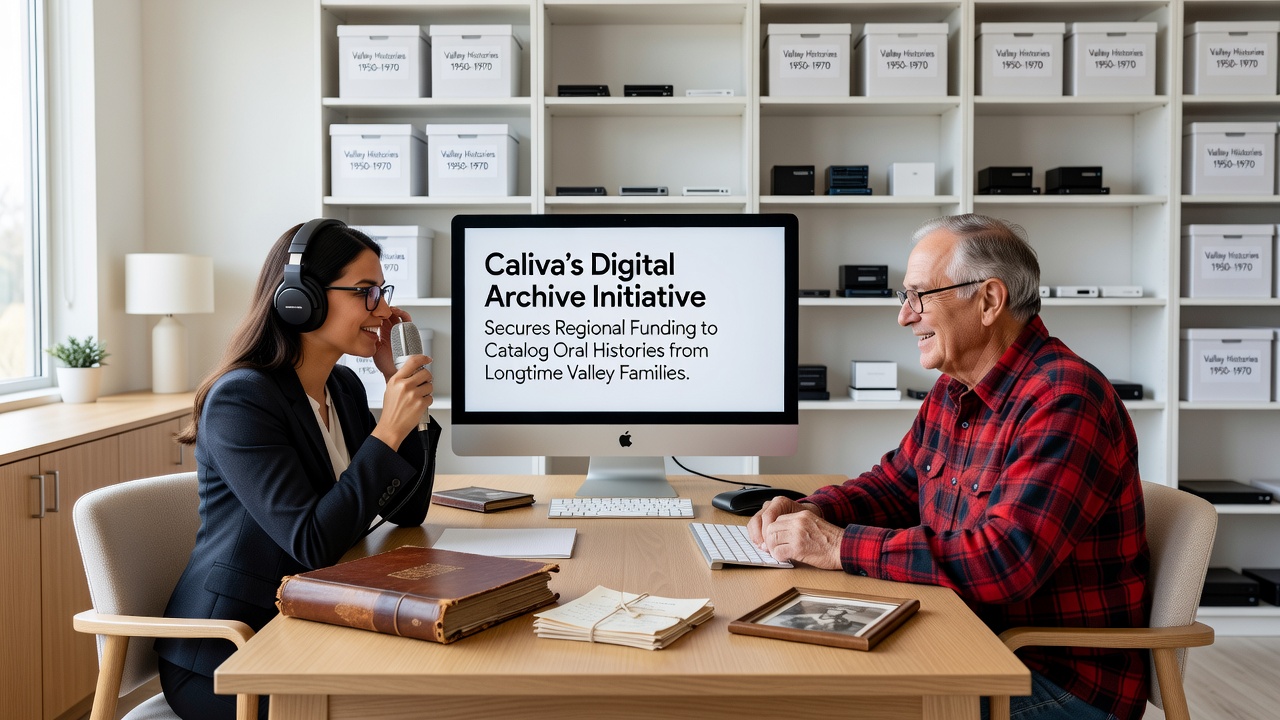
The Caliva Digital Archive Initiative has obtained regional funding that supports systematic cataloging of oral histories collected from families who have lived in the valleys for multiple generations, and project leaders have scheduled core cataloging work to begin in October 2026. Regional authorities allocated the resources after reviewing proposals that outlined metadata standards, secure storage protocols, and community consent procedures for preserving spoken accounts of land use, seasonal migrations, and family traditions. Funding documents indicate that the allocation covers digitization equipment, software licenses for indexing, and stipends for trained interviewers who will conduct additional sessions with elders still living in the area. Observers note that the initiative builds on earlier pilot recordings gathered between 2022 and 2025, which demonstrated that consistent metadata tagging allows researchers to cross-reference stories across different family lines without compromising individual privacy agreements.Project Scope and Timeline
Project managers have divided the cataloging process into three phases that run through late 2028, beginning with audio restoration and transcription followed by thematic tagging and public interface development. Each phase incorporates review checkpoints where family representatives can request redactions or additional context before materials move to the next stage. Data from the pilot phase shows that approximately 180 hours of recordings already exist in raw format, and the new resources will expand that collection by an estimated 120 hours over the next two years.
October 2026 marks the start of the second phase when field teams will visit remote homesteads to capture supplementary interviews focused on agricultural practices that have changed since the introduction of mechanized equipment in the mid-twentieth century. Technicians will use portable recorders that feed directly into encrypted cloud storage, and each file receives a unique identifier tied to geographic coordinates and family consent forms stored in a separate secure database.
Community Participation and Consent Protocols
Local historical societies have coordinated with the initiative to identify participants, and meetings held in community halls have produced standardized consent templates that specify how recordings may be used in educational materials or future exhibits. Families retain the right to restrict access for a defined period, and the archive software includes role-based permissions that enforce those limits automatically. Researchers from nearby universities have contributed input on ethical guidelines, drawing from established oral history practices documented by institutions such as the Library of Congress.
One family group that traces its presence in the eastern valleys to the 1880s has already submitted transcripts covering irrigation disputes from the 1930s, and these documents will receive bilingual tagging to accommodate both English and regional dialect terms. Archivists have observed that such dual-language entries improve search accuracy when scholars later query the collection for water management patterns across decades.
Technical Infrastructure and Standards
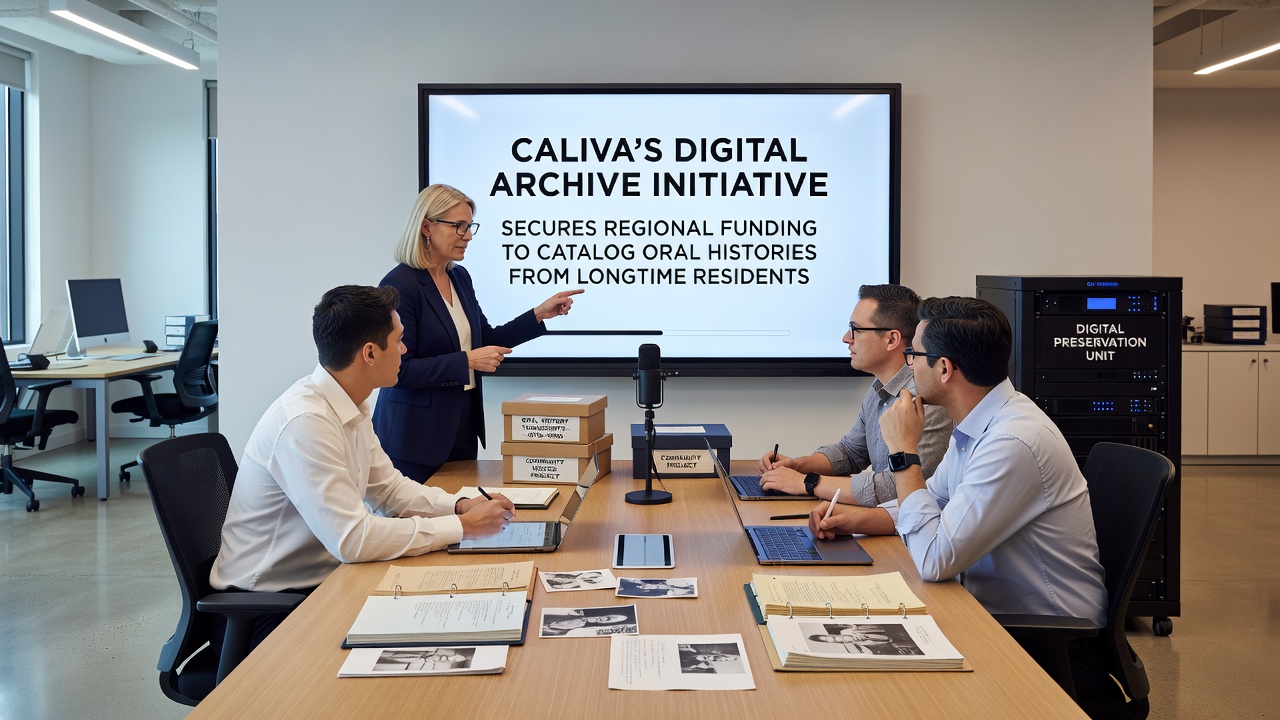
The initiative employs open-source cataloging tools that align with international metadata schemas, allowing future interoperability with larger national collections. Servers located in a regional data center maintain redundant backups, and encryption keys rotate quarterly under oversight from an independent technical advisory panel. Figures released by the funding body reveal that 35 percent of the budget supports ongoing maintenance and cybersecurity updates through 2030.
Training sessions scheduled for spring 2026 will instruct volunteers on using the software interface, and participants will practice assigning subject headings that cover topics such as crop rotation cycles, kinship networks, and weather-related events recalled from the 1950s onward. Those sessions incorporate feedback from earlier test users who noted that consistent spelling of place names across dialects reduces retrieval errors during later searches.
Integration with Broader Preservation Efforts
Regional planners have connected the digital archive to existing geographic information systems so that tagged stories can appear as optional layers on interactive maps of valley settlements. This linkage lets users select a location and hear excerpts from relevant interviews while viewing historical land-use data. Coordination meetings with environmental monitoring groups have produced shared vocabularies that align oral accounts of flood events with instrumental records collected since the 1970s.
According to reports from the European Heritage Documentation Network, similar projects in other mountain regions have shown that combining spoken narratives with spatial data increases public engagement metrics by measurable margins, and Caliva organizers have incorporated those findings into their outreach planning.
Conclusion
The regional funding now in place positions the Caliva Digital Archive Initiative to complete cataloging of the initial oral history collection by the end of 2028, after which the materials will become available through a moderated online portal. Project documentation specifies annual progress reports that will track both technical milestones and community feedback, ensuring that the archive continues to reflect the families whose stories it preserves. Future phases may expand the scope to include written correspondence and photographic collections once the core audio catalog reaches completion.