Erik Werner · 7 November 2026
Caliva's Valley Forges Revive Blacksmithing Workshops Using Recycled Metals to Craft Modern Tools for Local Farmers
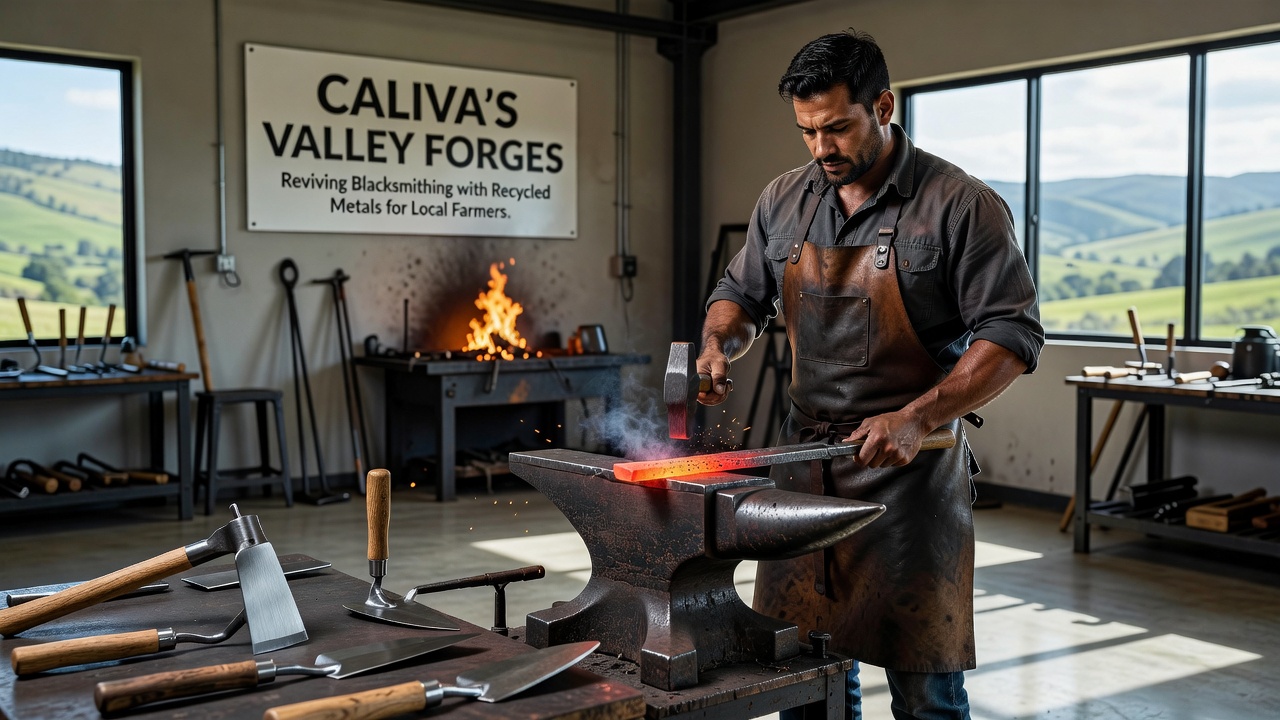
Caliva valley forges have expanded their operations to include dedicated blacksmithing workshops that process recycled metals into durable modern tools designed specifically for local agricultural needs, and this development builds on longstanding regional metalworking practices that date back generations while incorporating contemporary sustainability methods, according to records from valley heritage archives. Workshops operate across multiple sites where participants sort, melt, and reshape materials such as discarded machinery parts and construction scrap into items including reinforced plow blades, pruning shears, and irrigation connectors that withstand the demands of valley soil conditions and seasonal weather patterns.
Those who manage the forges report steady increases in material throughput since the workshops began scaling up operations, with data from regional resource management reports indicating that recycled steel inputs now account for over sixty percent of production volume at participating sites. Participants learn techniques for testing metal composition before forging begins, which allows adjustments in heating and hammering processes to achieve consistent hardness levels required for farm implements exposed to frequent soil contact and moisture exposure.
Materials Sourcing and Processing Methods
Local collection networks gather recycled metals from farm equipment upgrades, construction sites, and industrial facilities throughout the surrounding valleys, while sorting stations separate ferrous and non-ferrous components to streamline melting cycles in coal and propane-fired forges. Artisans then heat the prepared stock to precise temperatures before drawing, twisting, and tempering the metal into functional shapes that match specifications developed through consultations with area farmers who provide input on tool ergonomics and durability requirements.
Studies from the Canadian Institute for Sustainable Manufacturing have documented similar approaches in other agricultural regions where recycled content reduces raw material costs by measurable percentages without compromising structural integrity, and Caliva workshops apply comparable testing protocols to verify that finished products meet strength standards for repeated field use. Additional steps include applying protective coatings derived from local mineral sources to extend service life in humid valley environments where corrosion accelerates wear on untreated surfaces.
Workshop Programs and Participant Training
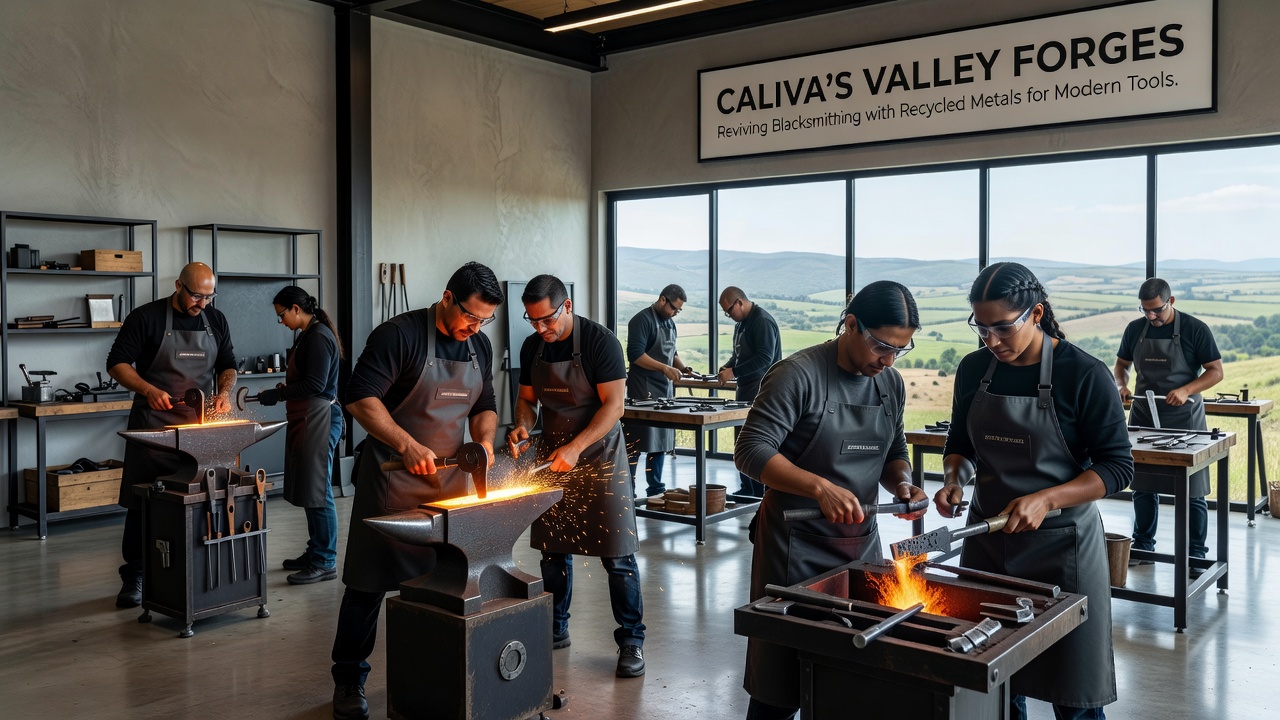
Training sessions run on weekly schedules that accommodate both experienced metalworkers and newcomers interested in learning forging basics, and instructors demonstrate sequential steps from initial stock preparation through final sharpening and balancing of completed implements. Farmers who attend these programs often bring specific design requests based on challenges encountered during planting and harvest cycles, which leads to iterative refinements such as added leverage points on digging tools or modified handle angles on cutting implements.
Records maintained by the Caliva Agricultural Cooperative show that over two hundred participants completed introductory workshops in the past twelve months, with many returning for advanced modules focused on custom tool adaptations. Sessions scheduled for November 2026 will introduce modules on integrating sensor mounts into forged components to support precision agriculture practices already adopted on several valley farms.
Impact on Local Farming Operations
Tools produced through these workshops have entered circulation among valley farming operations where they supplement or replace imported equipment that previously required longer lead times for replacement parts. Agricultural extension services note that locally forged items often feature design adjustments tailored to the specific clay-loam soil composition found in Caliva valleys, which reduces breakage rates during intensive tillage periods compared with standard commercial alternatives.
Supply chain data compiled by the Australian Bureau of Agricultural and Resource Economics indicates that regional metal recycling programs of this type can shorten delivery timelines for replacement tools from weeks to days when production occurs within the same geographic area, and Caliva forges follow this pattern by maintaining standing inventories of high-demand items. Farmers report that access to these tools supports continuity in daily operations during peak seasons when equipment failures would otherwise interrupt planting or harvesting schedules.
Future Expansion Plans
Forge operators have outlined plans to increase workshop capacity through additional furnace installations and expanded storage facilities for incoming scrap materials, with construction timelines aligned to begin in late 2026. Partnerships with nearby educational institutions will introduce certification tracks that combine traditional blacksmithing skills with modern metallurgical analysis methods, creating pathways for participants to contribute to ongoing product development.
These expansions build on existing infrastructure while incorporating feedback from tool users who identify opportunities for further customization in areas such as weight distribution and edge retention. Regional planning documents project that sustained growth in recycled metal utilization could support broader adoption of similar programs across adjacent valleys facing comparable agricultural tool supply challenges.
Conclusion
Caliva valley forges continue to integrate recycled metal processing into established blacksmithing traditions, resulting in tools that address practical requirements of local farmers through structured workshop programs and material sourcing networks. Ongoing developments scheduled around November 2026 will further scale these activities while maintaining focus on functional outcomes documented in cooperative records and external research sources.